
Blog
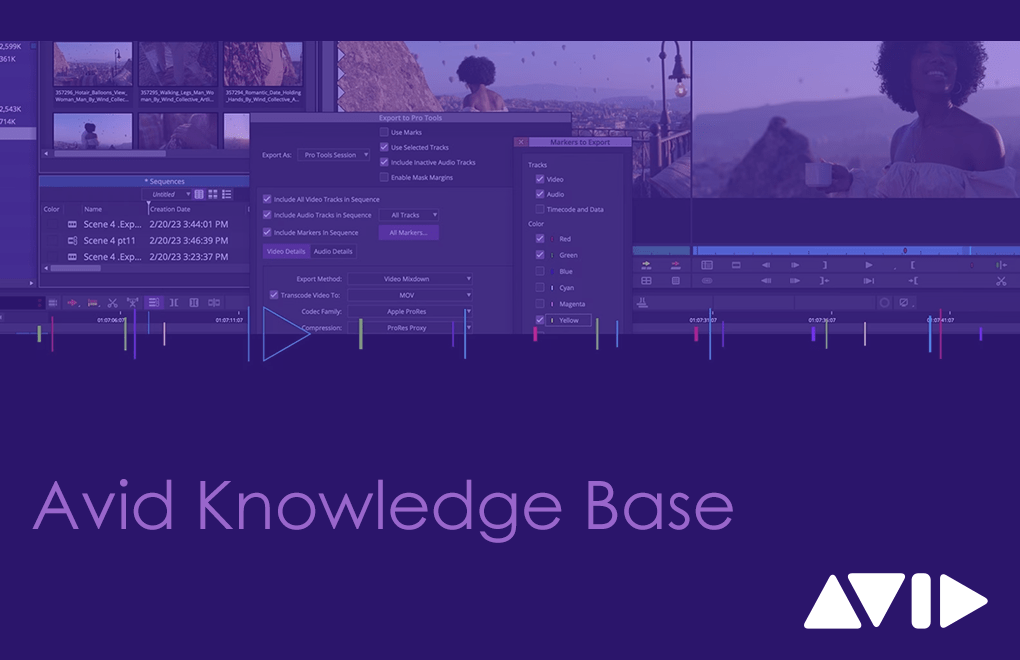
Avid Knowledge Base – What’s New in Media Composer 2025.12

Related Posts

Looking for an HP Anyware Alternative? Introducing Reemo

Looking for an HP Anyware Alternative? Introducing Reemo
By Mike Fitchie, Head of Technical Pre-Sales at Altered ImagesFollowing the HP Anyware end-of-sale announcement earlier this year,...

Media Composer Shared Projects: What’s changing and what it means for you.

AUGUST 24, 2026
Media Composer Shared Projects: What's changing and what it means for you
What to expect in Media Composer 2026.8
Media Composer 2026.8 is coming soon!
While...
Avid Media Composer 2026.8: What SNS Users Need to Know
Avid Media Composer 2026.8 and Third-Party Shared Storage: What SNS EVO Customers Need to Know August 25th, 2026 If your post-production team relies on Avid Media Composer...

Avid Media Composer 2026.8: What EditShare Users Need to Know
Avid Media Composer 2026.8: What EditShare Customers Need to Know Avid has announced an upcoming security and workflow-integrity change in Media Composer 2026.8 that affects users...
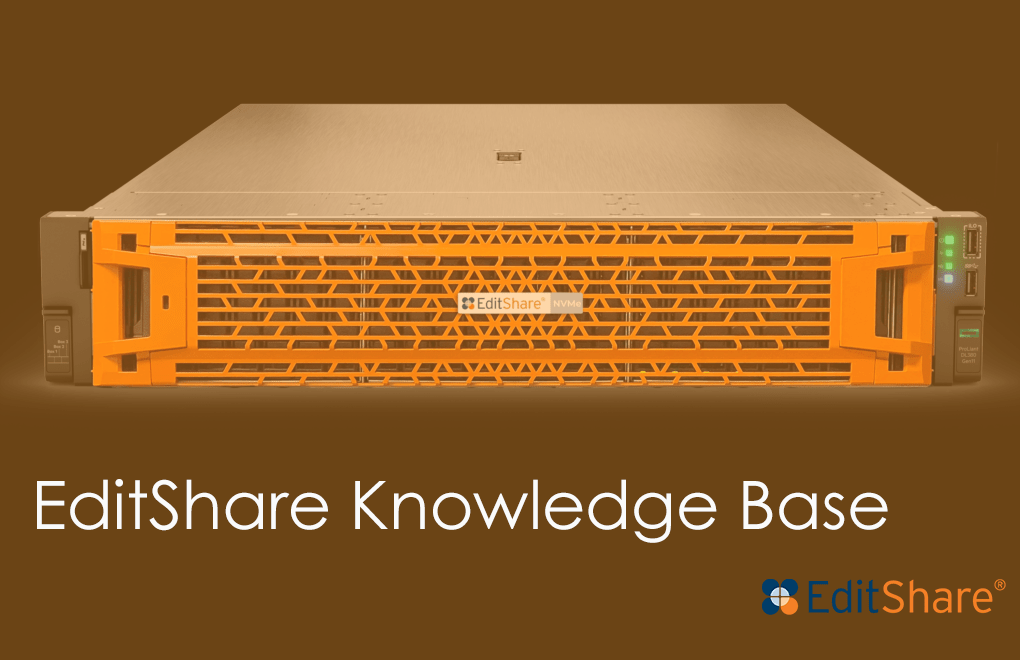
EditShare 2026.2.0 is now available, introducing FLOW AI.
EditShare 2026.2.0 is now available, introducing FLOW AIWe are pleased to announce that EditShare 2026.2.0 is now available, introducing FLOW AI, a transformational update to...
Avid Knowledge Base – Now Available: Avid NEXIS 2026.6 Release
Now Available: Avid NEXIS 2026.6 ReleaseThe Avid NEXIS 2026.6 update was released today, Tuesday, June 30, 2026.Avid NEXIS 2026.6 is a recommended upgrade focusing on OS modernization, cloud scalability...
Avid Knowledge Base – End of Support for Media Composer Perpetual Dongles
Avid Knowledge BaseEnd of Support for Media Composer Perpetual DonglesQA: End of Support for Media Composer Perpetual Dongles1. What is changing?Avid is ending support for...

Big firmware updates across BirdDog
June 9, 2026New firmware is now available for BirdDog X1, X1 30x, X1 Ultra, MAX, and O4, bringing major workflow updates, smoother control, improved integrations,...
EditShare Knowledge Base – EditShare 2026.1.0 has officially arrived
We are thrilled to announce that EditShare 2026.1.0 has officially arrived, bringing a new level of personalization and security to your media ecosystem. This release...

End of Life Announcement for HP Anyware, Trusted Zero Clients, and Trust Center
Important Notice: End of Life Announcement for HP Anyware, Trusted Zero Clients, and Trust Center HP recently made an important announcement effectively ending sale of new HP...
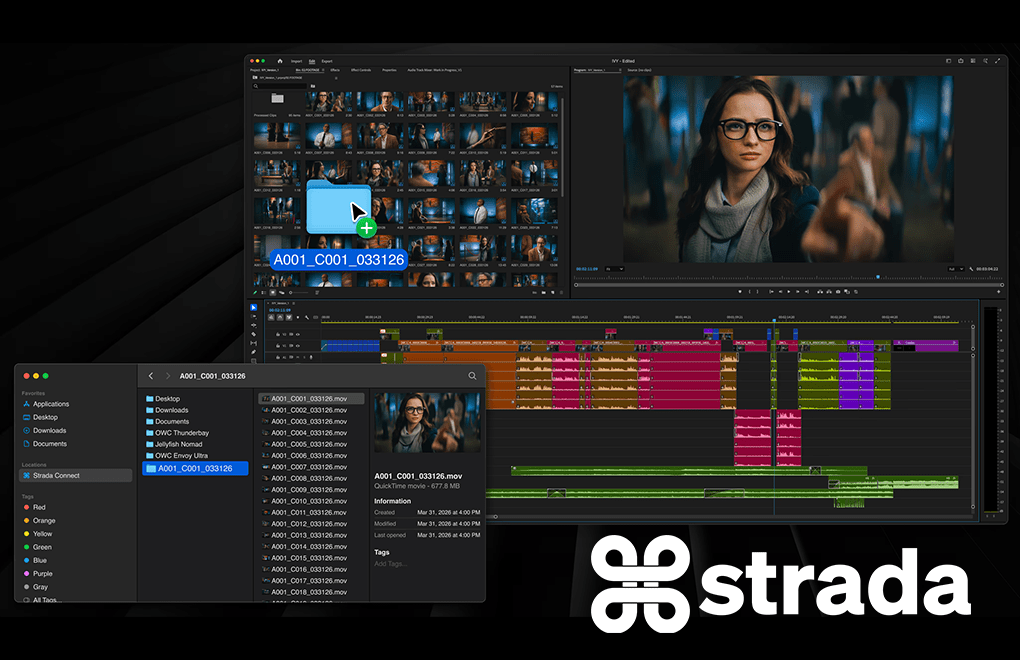
Strada launch ‘Strada connect’
Strada ConnectRemote drives, right in your FinderStrada Connect lets you mount remote storage as a virtual drive, so you can browse, preview, and work with...
Avid Knowledge Base – Tahoe OS, and Mac systems powered by Apple M5, M5 Pro, M5 Max chips
Avid Knowledge BaseAvid Qualified Systems and IO hardware for Media ComposerIMPORTANT NOTE:Mac systems powered by Apple M5, M5 Pro, and M5 Max chips are currently not...